The 60th Annual Meeting of the
Scandinavian Society for the Study of Diabetes
Awards for SSSD 2026
– SSSD Young Investigator Award and Outstanding Presentation Awards
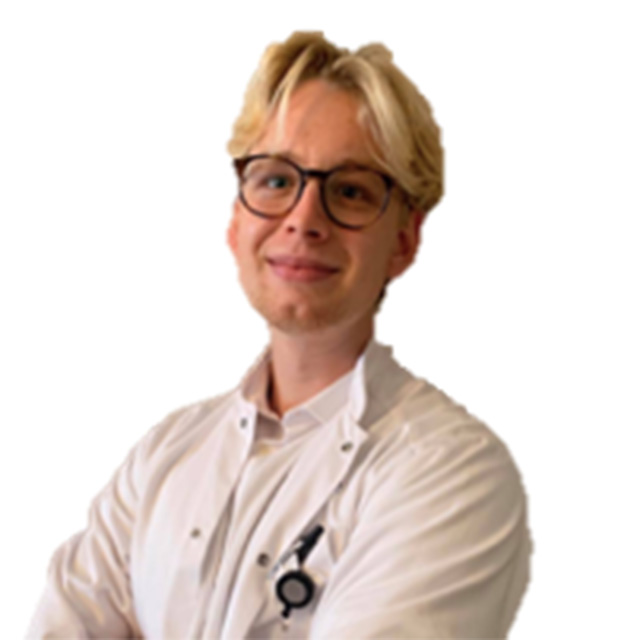
Mikkel Thor Olsen
Mikkel Thor Olsen is a researcher and clinician at the Steno Diabetes Center Copenhagen who focuses on improving inpatient diabetes care through the implementation of modern diabetes technologies. With a background as a medical doctor, PhD, and postdoctoral researcher, his work addresses the gap between advances in outpatient diabetes treatment and the continued challenges of diabetes management in hospital settings, where complications and adverse outcomes remain common.
His research has for example characterized dysglycemia in hospitalized patients with type 2 diabetes, a patient group representing approximately one quarter of all hospital admissions. These studies have identified important risk factors for glucose variability, hypoglycemia, and hyperglycemia, strengthening the evidence base for individualized inpatient diabetes care. The research has already influenced clinical implementation and guideline development. Contributions have been made to Danish national recommendations for inpatient diabetes care, including proactive basal-bolus insulin therapy and the use of CGM in selected hospital populations.
– The Knud Lundbæk Award
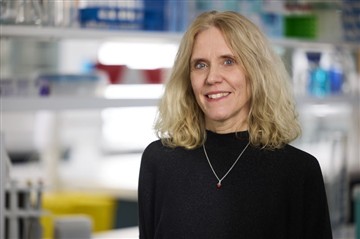
Anna Krook
Anna Krook is Professor of Cell Physiology at the Department of Physiology and Pharmacology at Karolinska Institutet. She earned her B.Sc. (First-Class Honours) from the University of East Anglia, an M.Sc. in Pathology from Queen’s University, and a Ph.D. in Clinical Medicine from the University of Cambridge.
Her research focuses on insulin signaling in health and disease. Early in her career, working with Stephen O’Rahilly in Cambridge, she identified novel insulin receptor mutations linked to severe inherited insulin resistance, including the first description of the human insulin receptor null phenotype.
Since moving to Karolinska Institutet in 1996, Professor Krook has made major contributions to type 2 diabetes research, particularly in molecular biology and intracellular insulin signaling. Her group pioneered the use of RNA interference in mammalian skeletal muscle cells and was the first to apply this technology to differentiated primary cell cultures.
More recent work has focused on immunometabolism and how circulating factors regulate skeletal muscle and whole-body metabolism. Her laboratory identified novel muscle-specific roles for interleukin-13 and fibroblast growth factor 21, and demonstrated how metabolites such as glutamine influence insulin sensitivity.
Another major focus of her research is the role of microRNAs in metabolic disease. Her team showed that microRNA let-7 is dysregulated in skeletal muscle in type 2 diabetes and linked microRNA-19b to the insulin-sensitizing effects of exercise. Throughout her career, Professor Krook has combined clinical studies with molecular, genetic, and cell biology approaches to better understand metabolic disease.
– Barndiabetesfonden’s Johnny Ludvigsson Prize
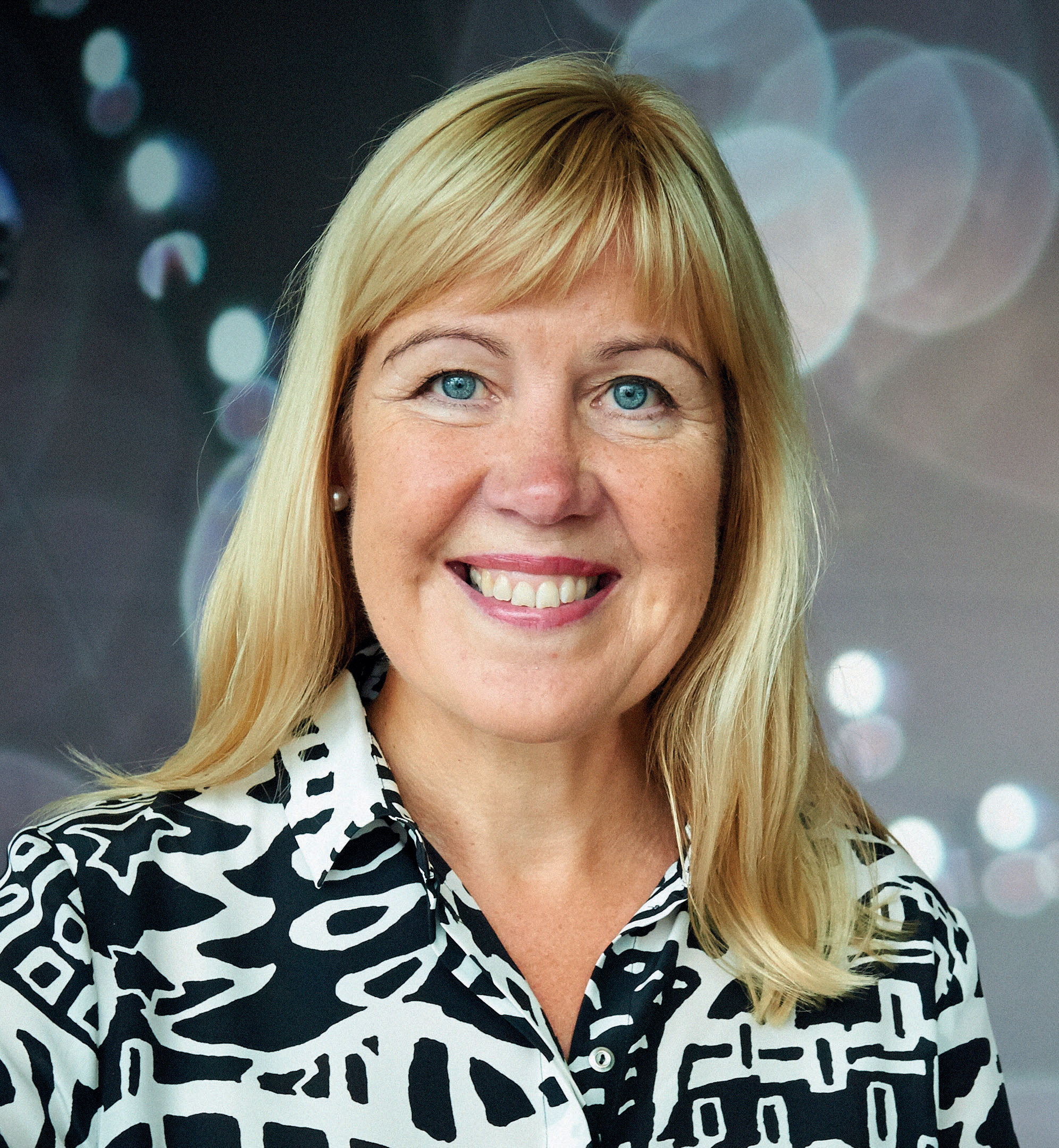
Riitta Lahesmaa
Riitta Lahesmaa is awarded Barndiabetesfonden’s Johnny Ludvigsson Prize for excellent research in pediatric and adolescent diabetes, in recognition of her outstanding and groundbreaking scientific contributions to the field. Her work has significantly advanced the understanding of the molecular mechanisms underlying type 1 diabetes, particularly in children and adolescents. Professor Lahesmaa was the first to demonstrate that activation of the immune system can be detected before the formation of autoantibodies, opening new possibilities for early diagnosis and preventive interventions.
With her strong background in systems immunology, Professor Lahesmaa has applied advanced technologies to analyze longitudinal samples from large pediatric cohorts, enabling the identification of changes in gene expression, proteins, and epigenetic markers associated with disease development. Her discoveries of molecular markers and blood-based changes have contributed to defining the different stages of the disease and laid the foundation for precision medicine strategies.
Professor Lahesmaa leads a multidisciplinary research group and has supervised more than 50 PhD students and postdoctoral fellows, many of whom have gone on to establish successful careers in academia and industry. Her collaborations span several international consortia and networks, including INNODIA, DIABIMMUNE, and the Finnish DIPP Study, reflecting her central role in global type 1 diabetes research.
In addition, Professor Lahesmaa’s work on T-cell regulation has uncovered new mechanisms driving autoimmune responses, further deepening our understanding of the role of the immune system in disease. Her scientific achievements demonstrate both breadth and depth. Her dedication to pediatric and adolescent diabetes research, innovative spirit, and leadership make her a highly deserving recipient of Barndiabetesfonden’s Johnny Ludvigsson Prize for excellent research in pediatric and adolescent diabetes.
Gustaf Christoffersson
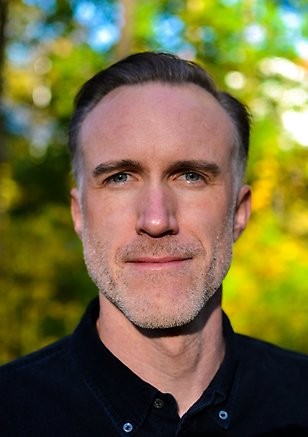
Gustaf Christoffersson’s research has contributed significantly to advancing the understanding of type 1 diabetes (T1D), particularly in the fields of immunology, vascular biology, and neuroimmunology. His early research efforts on transplantation and revascularization of transplanted islets of Langerhans have contributed to new clinical applications. He identified a novel type of immune cells and molecules that are essential for normal vascularization and function within the islets.
In recent years, Dr. Christoffersson’s research has focused on the mechanisms underlying T1D. One of his more groundbreaking findings demonstrated that sympathetic nerve signaling to the pancreas influences disease development, and that disruption of this signaling can delay the onset of T1D in mice. These discoveries laid the foundation for his current research, in which he uses, among other approaches, PET/MR imaging to investigate the innervation of the human pancreas.
To enable further studies of the pancreas, he has developed advanced imaging platforms and culture systems. His interdisciplinary approach combines animal models, human tissue, and clinical data to explore less-studied aspects of T1D.
Dr. Christoffersson has received several prestigious research grants and plays a key role in national diabetes initiatives such as Uppsala Diabetes Center and EXODIAB. His research is characterized by scientific excellence, creativity, and strong clinical potential, making him a highly deserving candidate for Barndiabetesfonden’s Johnny Ludvigsson Prize.
– Novo Nordisk Foundation Nordic Diabetes Prize 2026
Charlotte Ling
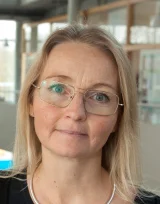
Charlotte Ling, Professor of Diabetes and Epigenetics at Lund University, has fundamentally advanced the understanding of type 2 diabetes by demonstrating how the disease develops through interactions between genetic predisposition and environmental influences that alter gene activity. In recognition of her pioneering contributions, she has been awarded the Novo Nordisk Foundation Nordic Diabetes Prize 2026.
For many years, type 2 diabetes was understood as the result of interactions between genes and environment, but the underlying mechanisms remained unclear. Through her research in epigenetics, Professor Ling has shown how lifestyle and environmental factors such as diet, exercise, ageing, and obesity can modify gene activity in tissues and organs without altering the DNA sequence itself. Her work has provided important insights into how these changes contribute to disease development.
Among her most influential discoveries was the identification of epigenetic alterations in insulin-producing cells from individuals with type 2 diabetes, providing early evidence that epigenetic mechanisms are directly involved in the disease. She later expanded these studies to liver, skeletal muscle, and adipose tissue, demonstrating how environmental and lifestyle factors shape epigenetic profiles linked to metabolic dysfunction.
More recently, Professor Ling’s research has focused on clinical applications of epigenetics. Her group is developing blood-based epigenetic biomarkers that may help predict treatment response and the risk of diabetes-related complications, paving the way for more personalized and targeted therapies. Her team has also generated evidence suggesting that epigenetic signatures associated with type 2 diabetes may be detectable even before the disease develops.
In parallel with her scientific discoveries, Professor Ling has established a leading research environment in epigenetic diabetes research at Lund University. Her work has combined molecular biology, genetics, and clinical research to provide new understanding of diabetes pathogenesis and to move epigenetic discoveries closer to clinical implementation.
For more information, please visit the website: https://www.scandinaviandiabetes.org/awards

Contact us
Conference Secretariat: Academic Conferences
Email: SSSD2026@akademikonferens.se
Phone: + 46 18 67 12 28 or +46 18 67 10 03
Important dates
28 January - Abstract submission opens
31 March - Abstract submission deadline
Mid-April - Abstract notification
30 April - Early bird deadline
21-23 May – Conference dates